




Healthcare has evolved dramatically over the past few decades. While medical technology, diagnostic tools, and treatment options have improved significantly, many patients still face a common challenge—healthcare services are often fragmented. A person may visit one hospital for consultation, another laboratory for diagnostics, a separate pharmacy for medicines, and yet another specialist for nutritional guidance. This disconnected approach consumes valuable time, increases healthcare costs, and often results in inconsistent patient care.
Today, people are looking for more than just treatment. They want convenience, continuity, affordability, and a healthcare partner they can trust throughout their wellness journey. This shift has given rise to the concept of an integrated healthcare ecosystem—a model that combines hospitals, pharmacy services, diagnostics, preventive healthcare, nutrition, and wellness under one trusted platform. According to Dr. Gubba’s Healthcare, this integrated approach aims to simplify healthcare while supporting healthier lifestyles through comprehensive services.
Understanding Integrated Healthcare
Integrated healthcare is a patient-centered approach that brings together multiple healthcare services within a single coordinated system. Instead of navigating different providers for consultations, medicines, nutritional advice, and wellness support, patients can access these services through one ecosystem.
According to the company profile, Dr. Gubba’s Healthcare’s integrated model includes:
- Hospital and medical services
- Pharmacy and medical shops
- Healthcare packages
- Preventive healthcare programs
- Millet-based nutrition products
- Health-support food products
- Dedicated protein outlets
- Wellness solutions
The objective is not only to treat illness but also to help individuals maintain long-term health through prevention, nutrition, and continuous care.
The Challenges of Traditional Healthcare
Many patients continue to experience difficulties because healthcare services are delivered through separate providers.
Common challenges highlighted in the company profile include:
Multiple Visits
Patients often have to travel between hospitals, pharmacies, diagnostic centers, and nutrition providers, making healthcare inconvenient and time-consuming.
Rising Healthcare Costs
Receiving services from different providers can increase overall medical expenses, placing financial pressure on individuals and families.
Limited Access to Preventive Care
Many healthcare systems focus primarily on treating diseases after they develop rather than preventing them through nutrition, wellness, and regular monitoring.
Lack of Trusted Nutrition Products
Consumers often struggle to identify scientifically developed health-support food products and protein supplements that align with preventive healthcare goals.
Why Patients Want Complete Healthcare Solutions
Healthcare expectations have changed. Modern patients value convenience, transparency, and coordinated care.
Instead of managing multiple appointments and providers, they increasingly seek healthcare systems where:
- Medical records remain connected.
- Pharmacy services are easily accessible.
- Preventive health receives equal attention.
- Nutrition supports recovery and long-term wellness.
- Healthcare packages simplify ongoing care.
The company profile notes that growing health awareness and increasing lifestyle disorders are creating demand for integrated healthcare providers that combine medical treatment, pharmacy services, preventive care, and nutritional wellness under one trusted brand.
The Importance of Preventive Healthcare
Preventive healthcare shifts the focus from treating disease to maintaining health.
Rather than waiting until illness develops, preventive care encourages:
- Regular health monitoring
- Healthy eating habits
- Physical wellness
- Early diagnosis
- Lifestyle improvements
- Long-term disease prevention
This proactive approach becomes especially important as lifestyle-related conditions such as obesity, diabetes, nutritional deficiencies, and joint problems continue to affect more people. The company profile identifies these conditions as key healthcare challenges that preventive healthcare aims to address.
Nutrition: A Key Pillar of Better Health
Healthcare extends beyond hospitals and medicines. Nutrition plays a vital role in supporting overall well-being and preventive health.
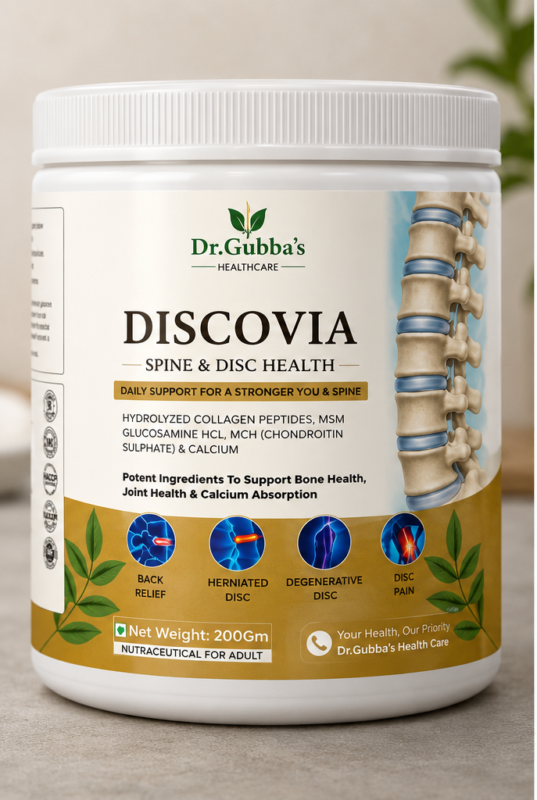
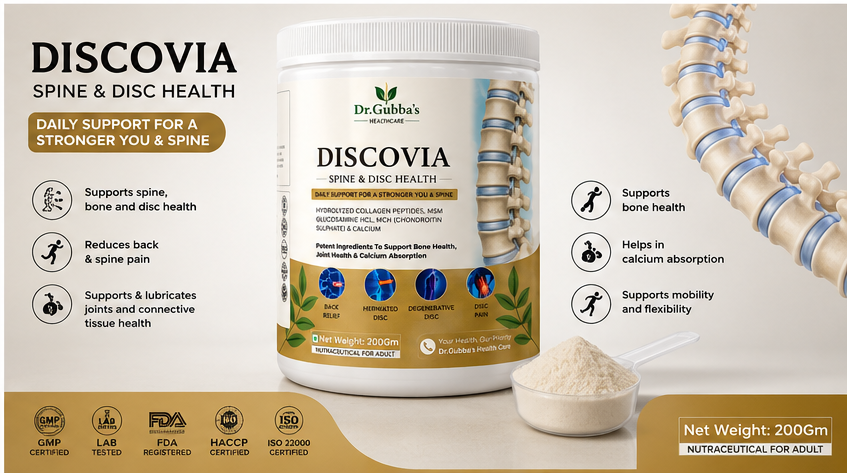
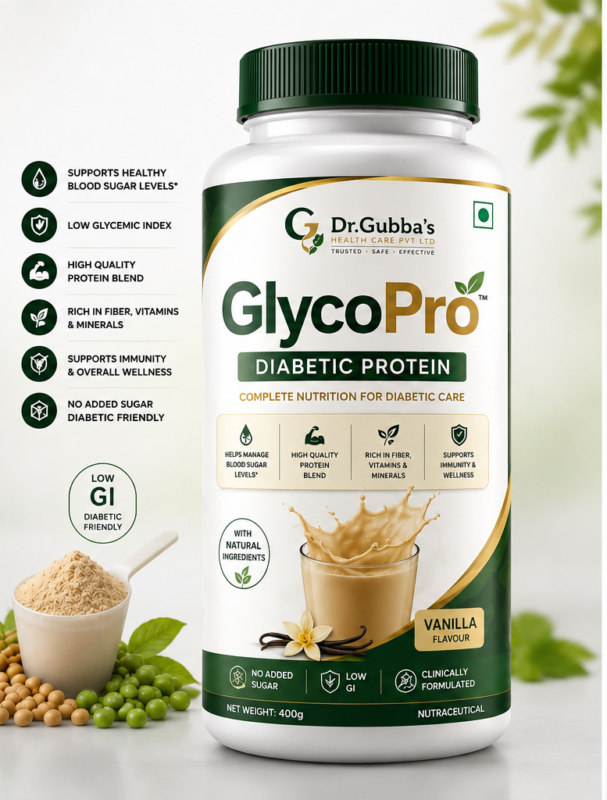
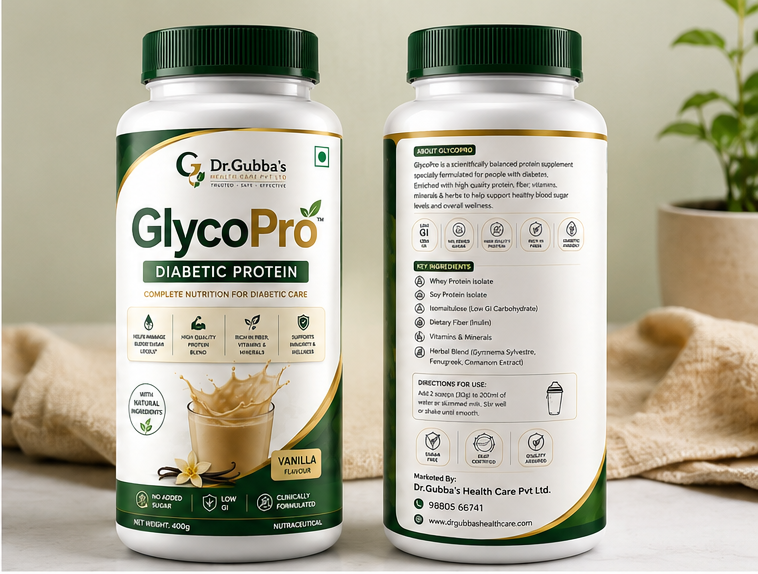
Dr. Gubba’s Healthcare includes nutrition as part of its integrated ecosystem by manufacturing and distributing:
- Millet-based protein supplements
- Jowar atta
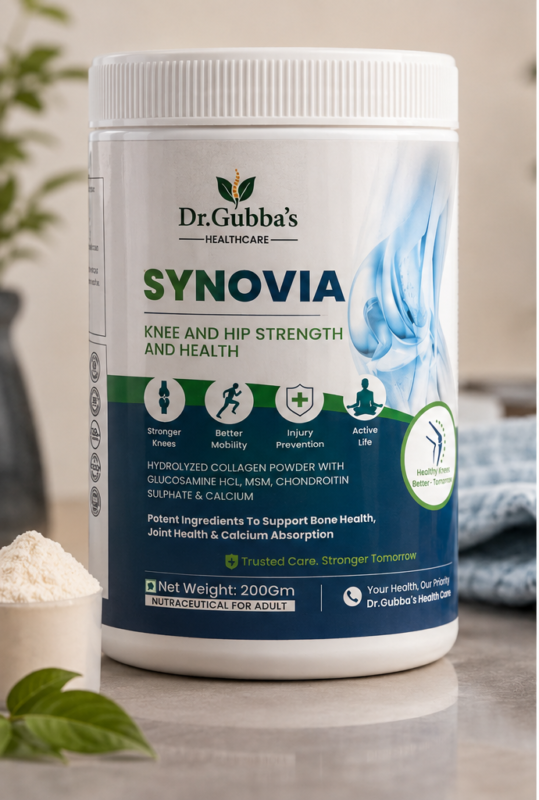
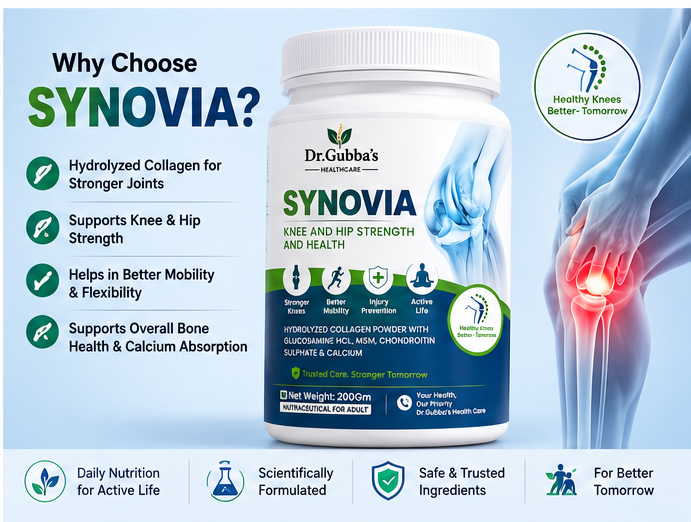
- Health-support food products
These products are positioned as part of a broader strategy to encourage healthier lifestyles alongside quality medical care.
Why Millet-Based Nutrition Is Gaining Attention
The company profile highlights growing consumer demand for millet-based nutrition and protein products.
Millets are included within the organization’s nutrition portfolio as part of its preventive healthcare and wellness focus, alongside scientifically developed protein supplements and nutritious food products.
Affordable Healthcare Through Value-Based Packages
Another component of an integrated healthcare ecosystem is value-based healthcare packages.
According to the company profile, these packages combine services such as:
- Consultations
- Diagnostics
- Treatments
- Pharmacy benefits
- Wellness support
The aim is to provide patients with convenient and cost-effective access to comprehensive healthcare while supporting better long-term outcomes.
The Role of Community Wellness
Healthcare is becoming increasingly community-focused.
Beyond treating patients, integrated healthcare models can contribute by:
- Promoting preventive health awareness
- Encouraging healthier lifestyle choices
- Improving access to nutrition
- Supporting wellness education
- Expanding healthcare accessibility
The company profile outlines plans to strengthen community access through hospitals, medical shops, nutrition products, healthcare packages, and dedicated protein outlets.
Looking Ahead
The future roadmap presented in the company profile emphasizes expanding healthcare facilities, enhancing digital healthcare services, broadening nutrition products, and building a nationwide healthcare and wellness ecosystem that brings together hospitals, pharmacy services, preventive healthcare, nutrition products, and wellness solutions.
As healthcare continues to evolve, integrated models that combine treatment with prevention and nutrition may play an increasingly important role in improving patient experience and supporting healthier communities.
Conclusion
Healthcare is no longer just about treating illness—it is about creating a connected journey that supports people before, during, and after medical care. An integrated healthcare ecosystem seeks to reduce fragmentation by bringing hospitals, pharmacy services, preventive healthcare, nutrition, and wellness together in one coordinated platform.
As described in Dr. Gubba’s Healthcare’s company profile, this approach aims to make healthcare more accessible, convenient, and comprehensive while encouraging healthier lifestyles through medical care, preventive programs, and nutritious food solutions.