




In today’s fast-paced world, healthcare is often viewed as something we seek only when illness strikes. A fever, persistent pain, or an unexpected medical emergency usually prompts us to visit a doctor. While modern medicine has made tremendous progress in treating diseases, there is a growing realization that the best healthcare begins long before symptoms appear.
This is where preventive healthcare plays a transformative role.
Preventive healthcare focuses on maintaining good health, identifying potential risks early, and adopting healthy lifestyle habits that reduce the chances of developing chronic diseases. Rather than waiting for illness to occur, preventive healthcare encourages individuals to take proactive steps to protect their health through regular medical check-ups, balanced nutrition, physical activity, and wellness programs.
According to Dr. Gubba’s Healthcare, preventive healthcare is a core component of its integrated healthcare ecosystem, combining medical care, pharmacy services, healthcare packages, nutrition, and wellness solutions under one trusted platform.
What Is Preventive Healthcare?
Preventive healthcare refers to medical services and healthy lifestyle practices designed to prevent diseases before they develop. It aims to reduce health risks, detect illnesses in their earliest stages, and help individuals maintain physical and mental well-being throughout their lives.
Unlike traditional healthcare, which primarily focuses on treating illnesses, preventive healthcare encourages continuous health monitoring and proactive care.
Preventive healthcare typically includes:
- Regular health check-ups
- Health screenings
- Lifestyle counseling
- Nutritional guidance
- Vaccinations (where appropriate)
- Fitness and wellness programs
- Early diagnosis of health conditions
The company profile emphasizes preventive healthcare through wellness programs, nutrition, and regular health monitoring as part of its healthcare ecosystem.
Why Preventive Healthcare Matters More Than Ever
Modern lifestyles have changed dramatically over the last few decades. Sedentary work routines, unhealthy eating habits, stress, irregular sleep patterns, and reduced physical activity have contributed to a significant increase in lifestyle-related diseases.
Many health conditions develop gradually and often remain unnoticed until they become serious. These include:
- Diabetes
- High blood pressure
- Obesity
- Nutritional deficiencies
- Joint-related problems
- Heart disease
The company profile identifies poor nutrition and changing lifestyles as important contributors to obesity, diabetes, nutritional deficiencies, joint problems, and other chronic health conditions.
Early Detection Saves Lives
One of the greatest advantages of preventive healthcare is the ability to identify health concerns before they become severe.
Routine medical examinations can help detect abnormal health conditions early, allowing doctors to recommend timely interventions. Early diagnosis often leads to more effective treatment, lower healthcare costs, and improved quality of life.
Preventive care empowers individuals to take control of their health instead of reacting only after illness has progressed.
Prevention Is More Affordable Than Treatment
Healthcare costs continue to rise across the world. Hospital admissions, surgeries, long-term medication, and specialized treatments can place significant financial pressure on families.
Preventive healthcare helps reduce these expenses by encouraging:
- Regular medical consultations
- Health monitoring
- Lifestyle improvements
- Nutritional support
- Early management of health risks
The company profile also highlights rising healthcare costs as a major challenge for patients and families seeking quality healthcare.
Nutrition: The Foundation of Preventive Healthcare
Good nutrition is one of the most powerful tools for disease prevention.
A balanced diet supports:
- Strong immunity
- Healthy weight management
- Better energy levels
- Bone health
- Heart health
- Muscle development
- Healthy aging
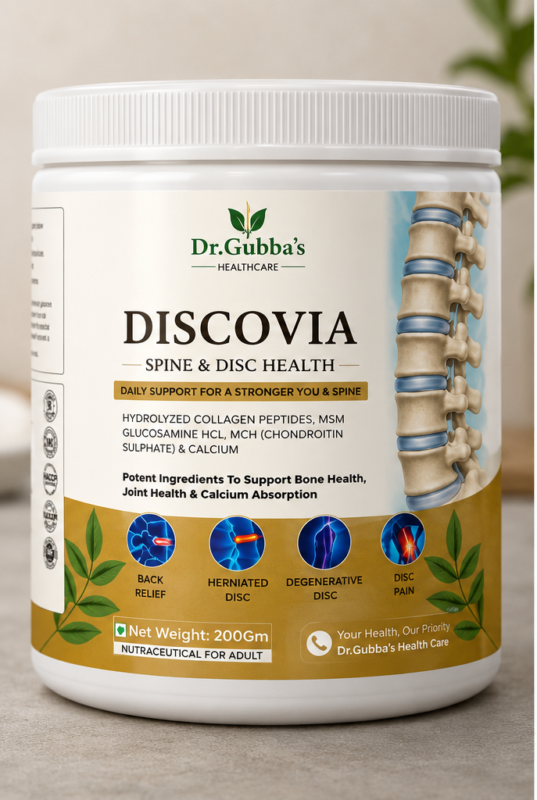
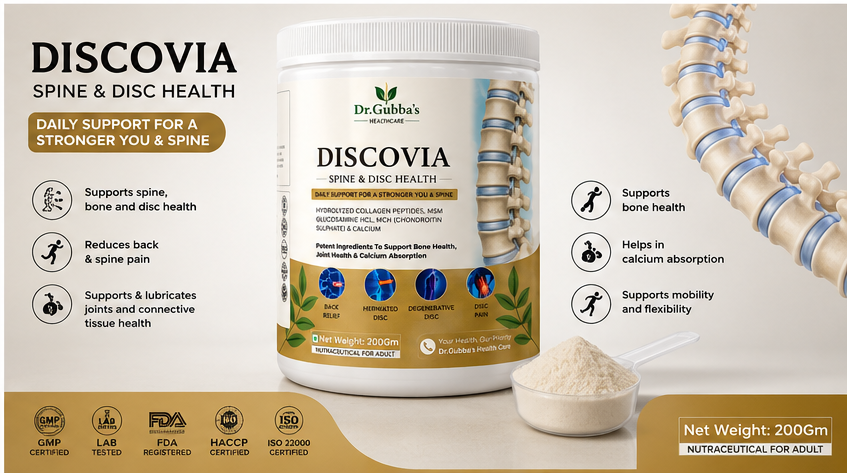
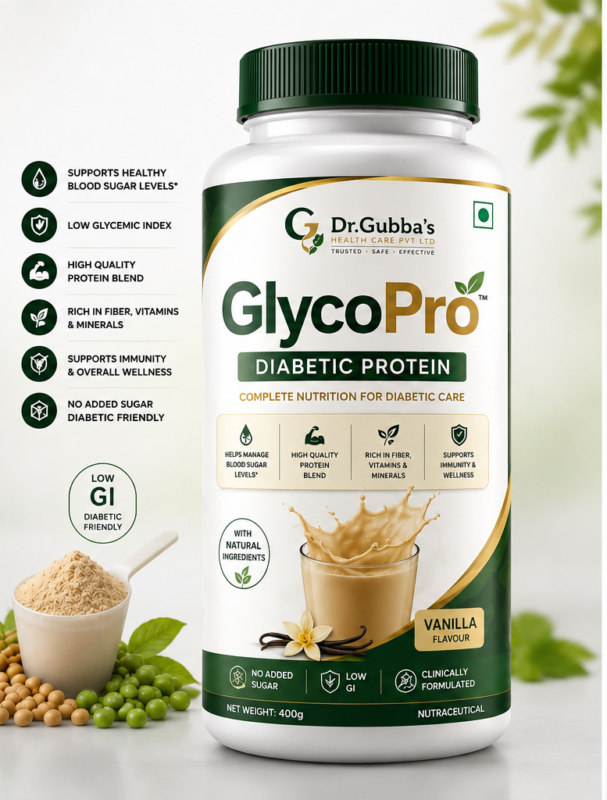
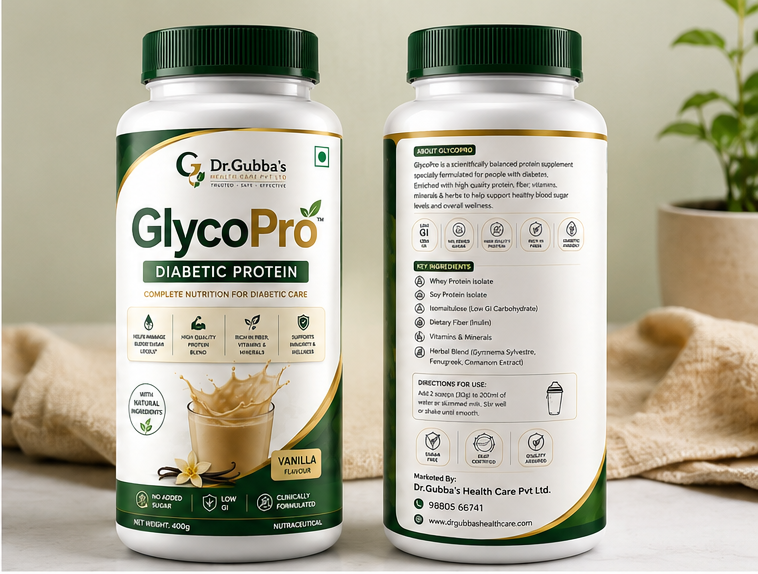
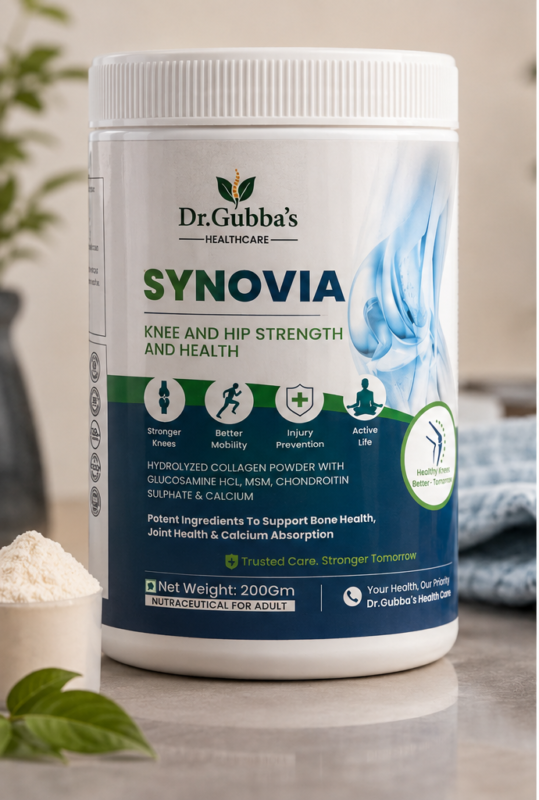
Recognizing the importance of nutrition, Dr. Gubba’s Healthcare includes scientifically developed health-support food products, millet-based protein supplements, and nutritious products such as jowar atta as part of its preventive healthcare approach.
The Growing Role of Millet-Based Nutrition
Consumers are increasingly seeking healthier dietary alternatives that support long-term wellness.
Dr. Gubba’s Healthcare identifies millet-based protein supplements and nutritious food products as part of its strategy to promote preventive healthcare and healthier lifestyles. The company also plans dedicated protein outlets to improve accessibility to healthy nutrition solutions.
Wellness Is More Than Physical Health
Preventive healthcare is not limited to hospitals or medicines. True wellness includes maintaining physical, nutritional, and lifestyle balance.
Healthy living involves:
- Eating nutritious meals
- Staying physically active
- Managing stress
- Getting adequate sleep
- Maintaining regular health check-ups
- Following medical advice
When these habits become part of daily life, individuals are better equipped to reduce health risks and improve overall well-being.
Healthcare Packages That Encourage Prevention
Comprehensive healthcare becomes more accessible when preventive services are included in organized healthcare plans.
According to the company profile, healthcare packages integrate:
- Medical consultations
- Diagnostics
- Treatments
- Pharmacy benefits
- Wellness support
These value-based packages are designed to provide convenient, affordable, and comprehensive healthcare while supporting better long-term health outcomes.
Building Healthier Communities
Preventive healthcare extends beyond individual patients. It contributes to healthier families, workplaces, and communities.
Organizations that promote health awareness, preventive wellness programs, nutrition education, and accessible healthcare services help create stronger and healthier societies.
The company profile outlines plans to expand preventive healthcare awareness alongside hospital services, nutrition products, healthcare packages, and digital healthcare initiatives to serve more communities.
The Future of Preventive Healthcare
Healthcare is gradually shifting from a reactive model to a preventive one. People are becoming more aware that maintaining health is easier—and often less costly—than treating advanced diseases.
The future of healthcare is likely to include:
- Greater focus on wellness
- Improved patient education
- Better nutritional support
- Digital healthcare services
- Community health initiatives
- Integrated healthcare ecosystems
Dr. Gubba’s Healthcare’s roadmap reflects this direction by planning to expand healthcare facilities, nutrition products, digital healthcare services, and a nationwide healthcare and wellness ecosystem.
Conclusion
Preventive healthcare is one of the most effective ways to protect your health, improve your quality of life, and reduce the burden of chronic diseases. By combining regular health monitoring, balanced nutrition, healthy lifestyle choices, and accessible medical services, individuals can take a proactive approach to lifelong wellness.
As outlined in Dr. Gubba’s Healthcare’s integrated healthcare model, preventive healthcare is not just about avoiding illness—it is about empowering people with the knowledge, services, and support they need to lead healthier lives. Through healthcare services, pharmacy support, nutrition products, and wellness programs, the organization aims to make preventive healthcare an essential part of everyday life.